Preventing Nearsightedness in Children is Possible
 We are in the midst of an explosion in the number of nearsighted (myopic) children. A 2002 study on the rate of nearsightedness in the United States showed a 41% increase in the number of nearsighted Americans compared to the original 1972 study. On average, a child in the U. S. will see an increase in myopia of .62 diopters per year. Fortunately, current research shows preventing nearsightedness in children is possible with great success.
A great deal of research is currently underway to determine what makes us more nearsighted and what might be the most effective method of preventing nearsightedness in children. Much of the latest research in preventing nearsightedness in children is being done in China. Over 70% of Chinese children under 15 are now myopic. Needless to say, the Chinese government is putting a lot of resources behind the treatment and cause of the Myopic Epidemic.
What Makes Us Nearsighted?
Your genes do play a significant role in the type and degree of prescription you have. However, it’s not all genetic, environmental factors also appear to provide a strong influence in modifying your genetic propensity to progressive myopia. Even though our genetics may predispose us to being nearsighted there are things we can do to modify this trait. The majority of a person’s nearsighted prescription occurs during childhood. Therefore, finding ways of preventing nearsightedness in children is currently the most effective method of slowing the myopic epidemic.
Preventing Nearsightedness in Children is Possible With FDA Approved Lenses
We should only rely on methods based on sound scientific studies to guide us in finding and using effective treatments in preventing nearsightedness in children.
Orthokeratology
Orthokeratology involves the use of a contact lens that acts as a corneal mold (the cornea is the clear window covering the colored part of the eye) which changes the shape of the eye. The orthokeratology lens causes an optical effect known as peripheral defocus which reduces the stimulus to progressive nearsightedness. Orthokeratology has been FDA approved since 2002. Studies show orthokeratology reduces the rate of myopic progression up to 90%. This shape change has been clinically proven to slow the progression of nearsightedness in children.
An Ohio State University study showed that orthokeratology slowed the rate at which the eye grows longer. Keeping the eye from growing longer is a key factor in preventing the progression of nearsightedness. Other studies, conducted all over the world including the United States, China and Europe, have shown rates of reduction between 50% and 90%. Orthokeratology provides a clinically proven, effective means of preventing nearsightedness in children.
Pharmacology
Orthokeratology and atropine therapy show similar rates of myopia prevention. Atropine is a medication discovered in the 19th Century. It is still used today for both systemic and ocular conditions. In the eye it is used to dilate the pupil and to freeze the eye’s ability to focus. Atropine is a proven, time tested method of reducing the progression of nearsightedness in children.
For over 40 years atropine has been the mainstay of myopia prevention. Due significant side effects, such as light sensitivity and near vision blur, the treatment drop-out rate with Atropine is high. Studies show however, low dose Atropine is almost as effective as full strength Atropine. Low dose Atropine is easily tolerated by patients. At Total Eye Care we will often combine Atropine therapy with specially designed myopia control orthokeratology lenses. We believe this combination is currently the most effective method of preventing nearsightedness in children.
Behavior
Changing how we go about our daily activities can affect the progression of nearsightedness in children. Studies have shown children that spend more time outdoors are less nearsighted. Breaking up the day to day routine by spending time outdoors, away from near centric activities is helpful in preventing nearsightedness in children.
Busting Myopia Myths
Under-Correction
Not prescribing the full prescription or under-correcting nearsighted prescriptions is easily the most common myopia myth. A Chinese study prescribed glasses to approximately 300 school age children. Half of the children were given the full prescription and the other half were under-corrected. After only 18 months the study was terminated early because the under-corrected group’s myopia accelerated at a much faster rate than the fully corrected group. Under-correcting a nearsighted person’s prescription, not wearing prescribed glasses, and wearing an outdated prescription all lead to thicker, stronger prescription. Wearing current, accurate prescription glasses is the first step in preventing nearsightedness in children.
Does The Bates Method Work
 The short answer is a resounding no. The Bates Method is ineffective in preventing nearsightedness in children. The Bates Method has a lot of unfounded support in social media. Dr. Bates was an early 19th century ophthalmologist.
What is the Bates Method
Bates hypothesized that various techniques, such as resting the eyes and pressing your palms (palming) to your eyes would reverse myopia. The Bates Method has been tested extensively, using scientific methods, and has been shown to have no affect on the reduction or reversal of myopia in adults or children. More information on the Bates Method can be found in Dr. Driscoll’s Book “An Eye Doctor Answers: Explanations To Hundreds Of The Most Common Questions Patients Wish They Had Asked” along with extensive information about effective, scientifically proven methods of preventing nearsightedness in children.
How Do I Learn More About Dr. Driscoll and the Myopia Prevention Program at Total Eye Care
By incorporating proven myopia reduction orthokeratology lens designs and atropine therapy we greatly reduce the rate of myopic progression in children. By reducing a child’s myopia, we also reduce their lifetime risk for numerous ocular conditions such as glaucoma and retinal detachment. Putting a once self-conscious, glasses wearing child, or teen, into contact lenses is a life changing event. Making the transition from glasses to orthokeratology or traditional contact lenses is one of those “moments” in a child’s life they will always remember and for which they will always be grateful. As parents we know the importance of instilling a sense of self worth and self esteem in our children. Transitioning a child from thick glasses to contact lenses helps to achieve just that.
To learn more about orthokeratology for adults and children and preventing nearsightedness in children schedule a free orthokeratology consult with Dr. Driscoll at the Total Eye Care Colleyville office or call 817.416.0333.

 With the dry eye treatments currently available there is no need to continue suffering from dry eyes. Dry eye syndrome is probably the most common, treatable cause of suffering reported by our patients. Fortunately, current dry eye therapy is very successful at relieving these symptoms.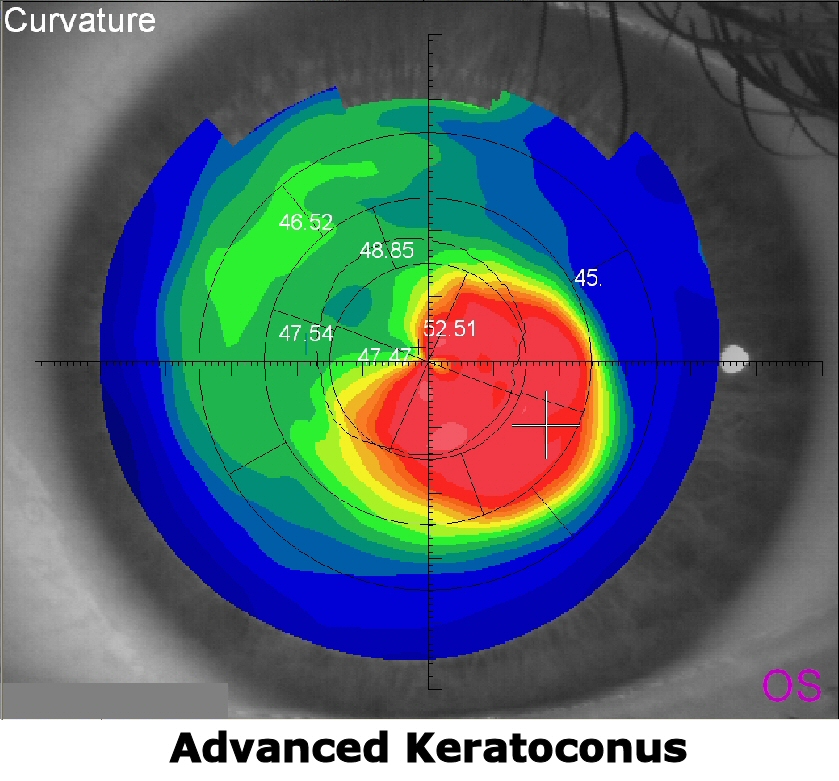
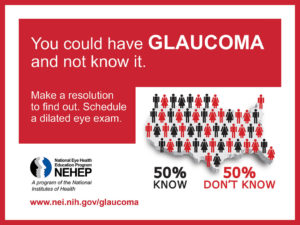 Glaucoma has no symptoms and therefore it is often referred to as the sneak thief of sight. Patients with glaucoma experience no symptoms until the very late stages of the condition. Late stage glaucoma is characterized by profound vision loss.
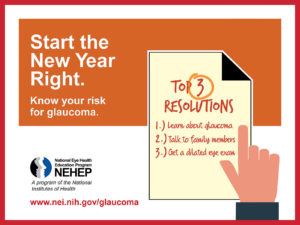 If you would like to start the new year off right we would be happy to asses your glaucoma risk factors at your next eye exam. Please call our Colleyville office at
 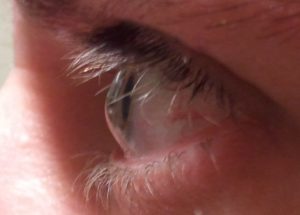 November 10 is National Keratoconus Day. Keratoconus is an ocular condition causing debilitating decreased vision in approximately 1 in 400 to 1 in 2000 Americans. Below is a brief overview of keratoconus. For a complete review of keratoconus, including background information, diagnosis, treatment, and prognosis can be found
 Right when we want to free ourselves of glasses and enjoy the warmth of summer, the dry, air-conditioned air makes our dry eyes worse making it more difficult to wear contact lenses. Symptoms of dry eye syndrome peak during the summer months. Thankfully,